

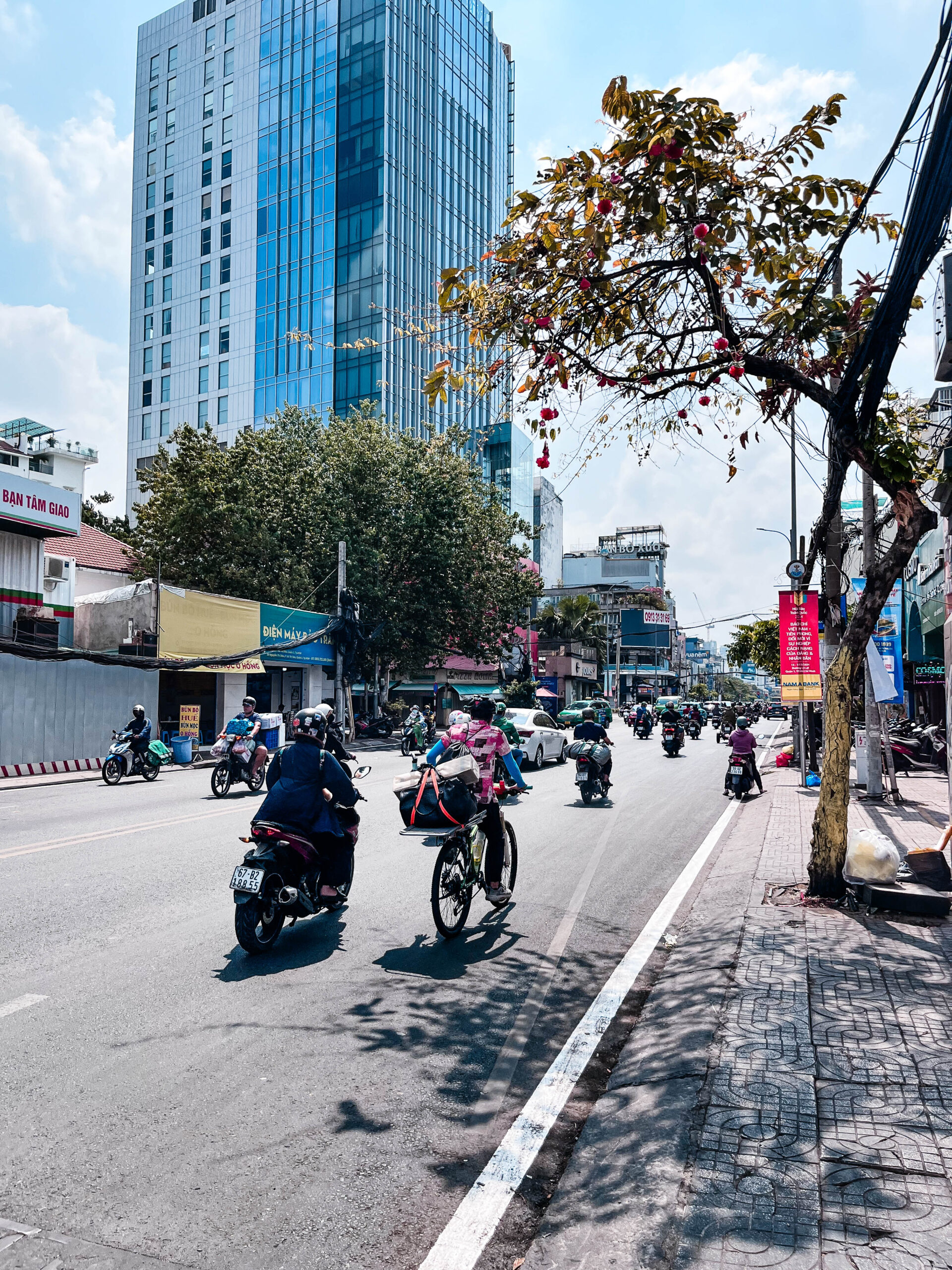
Ho Chi Minh City – still affectionately called Saigon by locals – is the vibrant, fast-paced heart of southern Vietnam. With its unique blend of Vietnamese heritage, French colonial charm, and modern dynamism, this city fascinates and surprises at every corner. Founded in the 17th century, it has witnessed pivotal moments in Vietnam’s history and today stands as a cultural, economic, and tourism hub of immense importance.
A brief history of Ho Chi Minh City
Once a small fishing village known as Prey Nokor, the area grew into a bustling port under the Nguyen dynasty. The arrival of the French in the 19th century transformed Saigon into a cosmopolitan city, leaving behind elegant architecture such as Notre Dame Cathedral and the Central Post Office. It also became an important center for international trade.
After Japanese occupation during World War II, Saigon became the capital of South Vietnam until 1975, when it was captured by North Vietnamese forces and renamed Ho Chi Minh City in honor of the revolutionary leader. Today, the city is expanding at a breathtaking pace, boasting a lively cultural and artistic scene, world-famous cuisine, and a population of over nine million.
Traditions and culture
The traditions of Ho Chi Minh City are a captivating mix of Vietnamese, Chinese, French, and American influences. Family, food, and festivals are at the heart of local life. One of the biggest celebrations is Tet, the Lunar New Year, marked by lavish decorations, family gatherings, feasts, and spectacular fireworks. During Tet, streets bloom with flowers, paper lanterns, and an infectious festive energy.
Religion plays a central role as well, with locals often practicing a blend of Buddhism, Taoism, and Confucianism, alongside Chinese temples and Catholic churches – a testament to the city’s rich spiritual diversity. Daily offerings to ancestors and prayers at temples reflect the deep connection between tradition and everyday life.
What to see in Saigon
Despite its modern skyline and rapid growth, Ho Chi Minh City retains countless historical and cultural landmarks worth exploring.
War Remnants Museum
One of the most visited museums in the country, it offers a powerful and moving perspective on the Vietnam War. Exhibits include photographs, personal accounts, and artifacts that tell the story of the conflict and its impact on the Vietnamese people.
Reunification Palace
Also known as the Independence Palace, this site marks the symbolic end of the Vietnam War, when a North Vietnamese tank crashed through its gates in 1975. Today, visitors can explore its preserved 1970s interiors, from reception halls to the underground bunker.
Notre Dame Cathedral & Central post office
Iconic examples of French colonial architecture, these landmarks are must-sees. Built with materials imported from France, Notre Dame is still an active place of worship. The Central Post Office, designed by Gustave Eiffel, is a charming reminder of the city’s colonial past.
Traditional markets
No trip to Saigon is complete without wandering through bustling markets like Ben Thanh Market or Cho Lon (Chinatown). From fresh produce to handmade goods, souvenirs, and local snacks, these markets offer an authentic taste of the city’s daily life.
Bitexco Financial Tower
A symbol of modern Ho Chi Minh City, this 68-story skyscraper offers breathtaking panoramic views from its skydeck. It’s an incredible spot to watch the sunset and see the city light up at night.
Cu Chi Tunnels
Located just outside the city, this underground network was used by Viet Cong soldiers during the war. Visitors can explore parts of the tunnels and learn about the resilience and resourcefulness of the Vietnamese fighters.
Street food culture
One of the city’s greatest charms is undoubtedly its food scene. From the comforting pho (noodle soup) to the crispy, flavor-packed banh mi (Vietnamese baguette sandwich) and the fresh goi cuon (spring rolls), street food is everywhere. The aromas of fresh herbs, sizzling meats, and fragrant spices fill the air. For the full experience, grab a tiny plastic stool, order a cold local beer, and watch the world go by.
Why Ho Chi Minh City is perfect for digital nomads
In recent years, Ho Chi Minh City has become a hotspot for digital nomads. Affordable living costs, a growing number of stylish coworking spaces, and fast internet make it ideal for remote work. Add in the city’s tropical climate and energetic vibe, and it’s easy to see why so many choose to settle here for a while.
The city’s central location in Southeast Asia also makes it a convenient base for traveling to nearby countries. With a thriving community of expats and creatives, it’s a place where work and adventure go hand in hand.
Ho Chi Minh City is a place of contrasts – rich history meets modern ambition, traditions blend with innovation. Whether you’re here for the culture, the cuisine, the history, or the sheer energy of the streets, this city will leave its mark on you.


